
How Does a Lie Detector Test Work? Procedure, Duration and Preparation
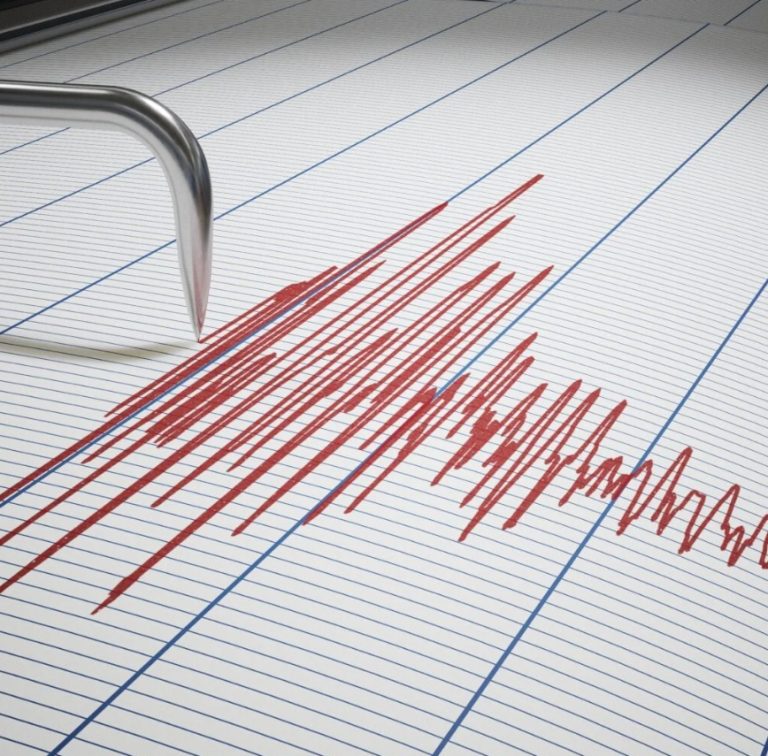
A polygraph examination looks mysterious only until you see it from the inside. In practice it is a structured procedure with clearly defined stages, in which the instrument merely records physiological responses while the conclusions are drawn by the examiner. Here is a detailed walk-through of how a test is conducted in our practice in Hamburg and across Germany.
What a polygraph actually measures
The instrument records several parameters at the same time: thoracic and abdominal breathing, cardiovascular activity, electrodermal activity and, in many setups, motor activity. None of these signals means “lie” on its own. What matters is a consistent difference between the responses to relevant and to neutral questions, repeated across several presentations. A single spike proves nothing, which is why every examination consists of multiple series.
Stage 1. The pre-test interview
This is the longest and the most important part. The examiner explains the procedure, shows the sensors, answers questions and reduces tension. Then the case itself is discussed: what happened, which facts need to be verified, what is already known. The examinee may withdraw at any moment — in Germany a test is conducted only voluntarily and on the basis of written consent.
At this stage the examiner also clarifies anything that could distort the result: health conditions, medication, lack of sleep, pregnancy, psychiatric conditions. If there are contraindications, a valid examination is not possible, and this is said honestly before the test rather than after it.
Stage 2. Formulating the questions
The examinee reads every single question in advance — there are no surprises in a properly run test. Questions are built so that they can be answered strictly with “yes” or “no”, without shades of meaning. They must address facts rather than intentions or feelings: “did you take money from the cash register on 14 March” works; “are you a dishonest person” does not.
One issue per examination is the rule. If several unrelated matters have to be covered — theft and a data leak, for example — separate series are scheduled, otherwise accuracy drops. The service itself is described on our page about polygraph testing in Hamburg.
Stage 3. Recording the responses
The examinee sits in a chair with sensors attached to the chest, fingers and forearm. The task is simple: sit still, look ahead and answer only “yes” or “no”. A single chart takes a few minutes, followed by a short break. The series is repeated at least three times with the question order changed, because consistency of a reaction matters more than its size.
The examiner also watches for countermeasures — attempts to distort the result by tensing muscles, holding the breath, counting mentally or using substances. Modern recording channels capture such attempts, and the very fact of interference becomes part of the findings.
Stage 4. Analysis and report
After recording, the examiner evaluates the charts: amplitude, duration and shape of the reaction in each channel are compared and scored according to an established numerical system. Three outcomes are possible: responses consistent with truthful answers, responses consistent with deceptive answers, or an inconclusive result. The last one is not a failure but an honest answer when the data are insufficient.
The findings are issued in writing, describing the methodology, listing the questions and stating a conclusion for each of them. On request an extended report can be prepared for a principal, an employer or a lawyer.
How long it takes
A standard single-issue examination takes two to three hours: roughly an hour for the interview and question review, around forty minutes for the recording, and the remainder for analysis. A multi-block employment screening can run up to four hours. Plan the day so that you are not in a hurry — haste alone degrades the quality of the charts.
How to prepare
Preparation is simple and requires no effort. Get a normal night’s sleep, eat a couple of hours before the appointment, go easy on coffee and energy drinks, and avoid alcohol the evening before. If you take prescribed medication, take it as usual and tell the examiner. Do not try to “train” using videos from the internet: those techniques are recognisable and work against you.
A word about nerves. Everyone is nervous — truthful and deceptive examinees alike. The methodology compares responses within one and the same test, so general anxiety does not turn an honest person into a liar.
When an alternative makes more sense
A classic polygraph is not the answer to every situation. For rapid screening of candidates or of a large number of employees, EyeDetect is a better fit — a contact-free method based on analysing eye responses. When a check has to be done quickly and in a less formal setting, VerifEye is used, a mobile video-based deception detection system. These are different technologies for different tasks, and the choice is discussed in advance.
Frequently asked questions
Can I stop during the test? Yes, at any moment and without giving a reason.
Who learns the result? The report goes only to the party who commissioned the examination. Confidentiality terms are agreed in writing beforehand.
Do German courts accept polygraph results? A polygraph result is not standalone evidence in Germany, but it is widely used as a reference point by the parties and for internal company decisions.
What does it cost? The price depends on the issue, the number of questions and the location. You can get an indicative figure in a minute using our online calculator.
If something is unclear, ask before the examination rather than after it. A properly framed question solves half the problem; the methodology takes care of the other half.